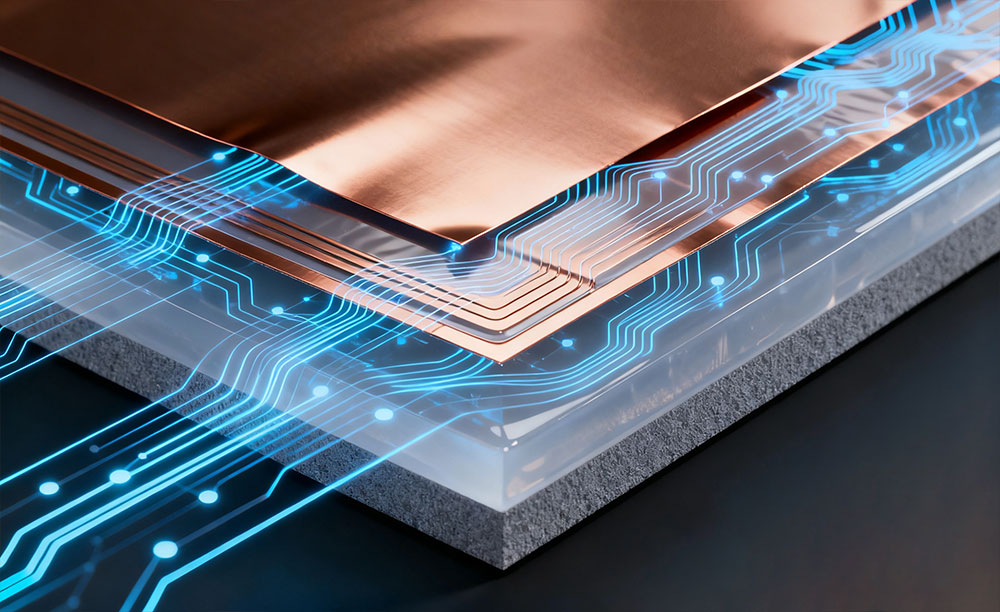
Against the backdrop of the continuously increasing demand for data transmission speed in AI robots, the performance of flexible copper-clad laminate (FCCL), as the core substrate of soft hard junction board (R-FPC), directly determines the transmission quality of high-frequency signals between the robot's "brain" and "limbs", becoming a key carrier to break through the bottleneck of signal delay.
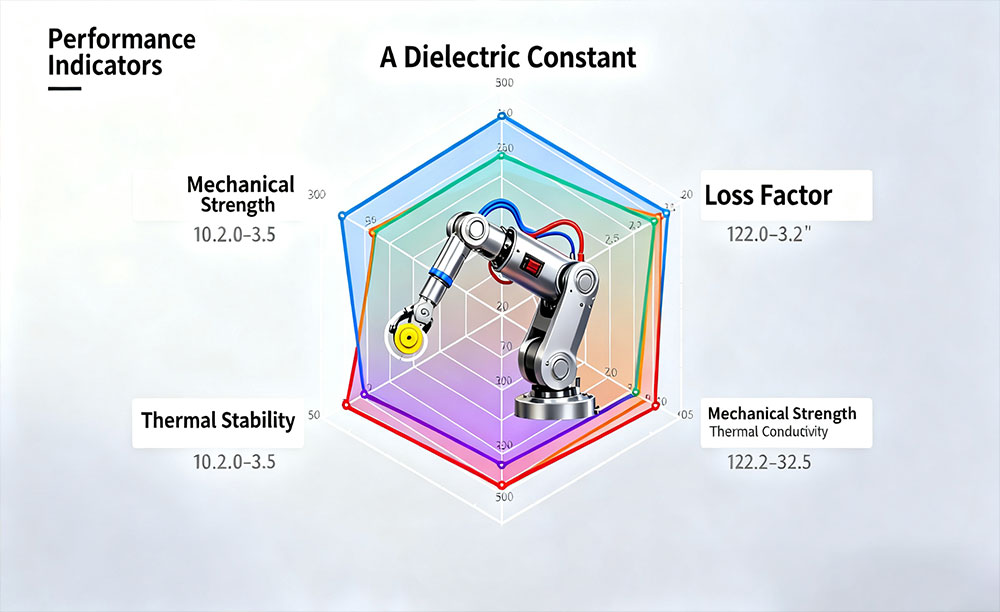
For AI robots using soft hard composite boards, the performance of high-frequency FCCL is not simply "high" in a single dimension, but needs to be deeply adapted to the application scenarios and work environments of the robot. The selection of its core performance indicators directly affects the overall performance of the soft hard composite board.
Listed below are printed circuit board assembly and PCB manufacturing capabilities. with everything you need to...

Listed below are printed circuit board assembly and PCB manufacturing capabilities. with everything you need to...
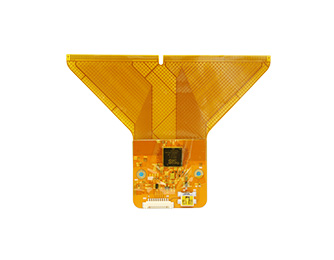
Listed below are printed circuit board assembly and PCB manufacturing capabilities. with everything you need to...
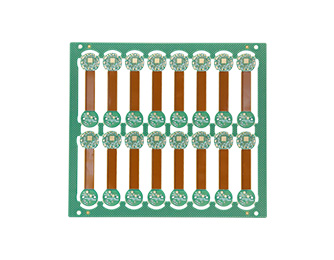
Listed below are printed circuit board assembly and PCB manufacturing capabilities. with everything you need to...
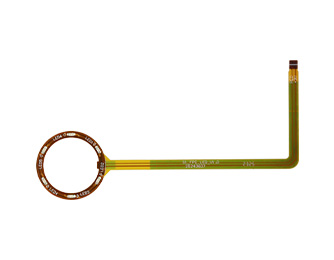
Listed below are printed circuit board assembly and PCB manufacturing capabilities. with everything you need to...

Email: rainbow@dgpoorui.com
Company Address: Building 4, Yongjianhong Industrial Park, Guangtian Road, Yanluo Sub-district, Bao'an District, Shenzhen City
Copyright © 2021 Teleconix Inc. Powered by sznbone


 CN
CN Home >